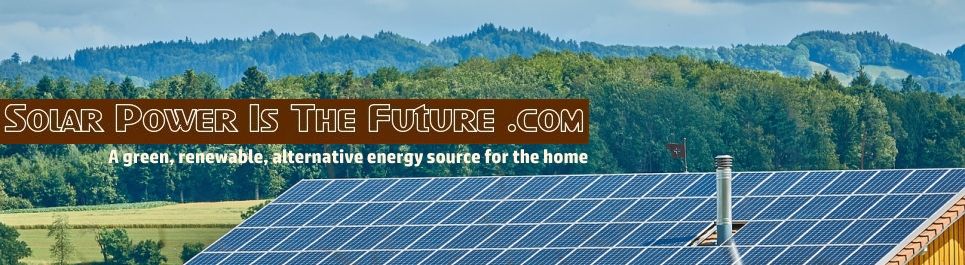
Solar Home Heating Options for Homeowners
Solar energy is not a new concept; it has been powering satellites, high-tech equipment, and even calculators for many years. Today, solar home heating is becoming more and more common, where solar panels generate some if not all of the home's energy needs. Solar power is a great way to produce energy for your home and can save homeowners a lot of money in heating and energy costs. It's an attractive way to heat your home for the long term, especially since it has no environmental impact.
The biggest cost involved when switching to solar power is buying the solar panels used to generate electricity to power your home's heating system. The cost of a solar powered system varies greatly depending on the size of your home and its energy needs. However, once you have made this initial investment, there is virtually no maintenance and the system will last for many years beyond the point at which you recoup your investment. You can also build your own solar panel for additional cost savings.
When you use solar energy you are looking at savings anywhere from 25% to 100% of your usual energy bill. If you use a small solar home heating system you will save a percentage of your energy bill every month. If you install a large system that generates enough energy to heat your entire home all of the time, you will save 100% of your heating bill and will never have to rely on outside energy again. Because solar panels typically last for at last 25 to 30 years, you will get many years of free power after you have saved enough on energy costs to cover the initial investment of your solar heating system.
Other alternatives are geothermal or radiant heat systems. These systems use a ground source heat pump that takes heat from below ground and transfers it into your home. During the summer, it works in reverse to cool your home. The ground is a constant temperature of 50 to 60 degrees Farenheit (about 10 to 16 degrees Celsius), a few feet below ground. A heat pump is used to force the transfer of heat from the ground. Loops of piping are buried at this depth and connected to the heat pump. Water and antifreeze are circulated through the system and absorb this heat which is then transferred into warm air through a refrigeration process. Like solar home heating, geothermal systems recoup their cost in a few years and then provide heat at substantial savings for years to come.
Additional Reading:
- Basics of Solar Power
- How Solar Power Works
- Pros and Cons: Solar Energy
- About Solar Power Generation
- Combination Solar Wind Power Systems
- Facts About Solar Power
- Why is Solar Power Important?
- What Are Some Examples of Solar Energy?
- What Can You Run on Solar Power?
- Why Are Solar Panels So Expensive?
- Affordable Solar Power
- Solar Power - How Does a Solar Battery Work?
- How is Solar Energy Used?
- Why a Lack of Support for Solar Power?
- A Comparison of Wind Generator versus Solar Panels
- Calculating Solar Power Needs
- How to Figure Solar Panel Output
- How to Build a Hot Air Solar Collector
- How Does Solar Heating Work?
- What is Active Solar Heating?
Around the Home:
- How Solar Attic Fans Work
- How Do Solar Garden Lights Work?
- Solar Power Backup Systems
- Off Grid Solar Power
- Solar Power Pool Heaters