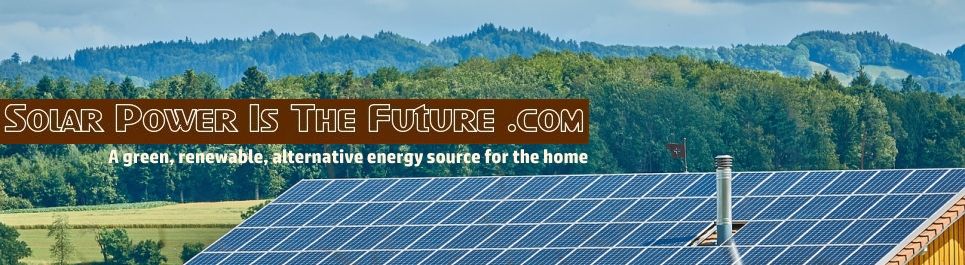
Combination Solar Wind Power for Residential Home Settings
Combination solar wind power is an alternative approach to producing clean, non-polluting energy from two of the most abundant renewable energy sources. This system uses a hybrid solar panel and wind turbine generator to create electricity which is then stored in batteries.
Some locations have an abundance of sun while others have an abundance of wind. Having a combination system allows you to take the most advantage of the prevailing weather conditions to maximize energy production.
Advantages of a Combination Solar-Wind Power System
- When one source isn't available (overcast skies or calm air), the system will still be able to provide energy from the alternate energy source. The clean, emission-free power acts as a reliable backup or supplemental power source.
- When both sun and wind is present, the batteries will charge even faster.
- On a cost per Watt basis, solar panels have a higher initial cost than wind turbines. With this hybrid system, you can spend more on wind power to offset the number of required solar panels
and still achieve the same output.
- Solar panels require very little maintenance (cleaning when
necessary). Wind turbines


Disadvantages of a Combination System
- Weather conditions are unpredictable and a hybrid system cannot be relied upon as a primary power source for critical applications. Check to see if energy conserving appliances could help reduce your energy consumption requirements.
- The solar panels and wind turbines need to be adequately sized to supply enough power to the batteries. If insufficient energy is produced, the batteries will not be fully charged in a convenient time frame. If too much power is produced, the extra energy will simply be wasted.
- The system should be esthetically pleasing to you and your neighbors. Solar panels require adequate room with full exposure to the sun; wind turbines need unobstructed access to the wind.
- Wind power will generate some noise as the blades rotate in a strong breeze.
System Considerations
Systems need to be designed for the maximum amount of electricity
that will be generated from both sources. A charge controller
Other system considerations include:
- The solar panels should be in an open area free of obstructions and shadows.
- The wind turbine should be attached to a secure mounting pole as high as possible with full exposure to air currents.
- Ensure that the wind turbine does not shadow the solar panels.
- When doing maintenance, disconnect the entire system since the other power source may still be able to deliver electricity.
- The wires should be thick enough to handle the maximum current load from both sources.
If your location and budget can support such a system, a combination solar - wind power system may be a good alternative energy source for your power needs.
In many jurisdictions, you can feed the surplus power that you generate back into the grid. However, if you're producing extra power, then your system is over-sized for your needs and the extra costs may not be justifiable. The cost per Watt for small scale power generation is much higher than for large industrial power plants and will take years to recoup the initial investment, even with subsidies from municipalities. It's often best to produce enough power just for yourself and store it in batteries for later use.