Costs of Producing Solar Energy - Is It a Viable Alternative Energy Source?
The costs of producing solar energy on a large scale are currently too high to make it a viable alternative power source. Existing solar power plants are heavily subsided by the government (and by consumers) in the hope of spurring innovation and to appease the public appetite for clean energy.
The technology is yet to become competitive in terms of cost. The solar panel firm, SunEdison, filed for bankruptcy protection in 2016. And yet consumers are becoming increasingly interested in adopting the benefits of solar power.
Solar Energy on a Large Scale
The main reasons why it's currently not realistic for communities to rely on solar power include:
- High capital costs - Even if manufacturing techniques and economy-of-scales are achieved, it takes a lot of equipment spread over large areas to concentrate enough sunlight to produce enough worthwhile energy.
- Solar power can only be harvested during daylight hours. The expensive equipment remains idle through dawn, dusk and at night and does not generate any revenue to help pay for its cost. To make things worse, seasonal changes affect the number of daylight hours. Cloudy weather also reduces the amount sunlight during the day.
- An energy storage system is required to smooth out power interruptions caused by clouds, fog & dust. This adds more costs to the system.
- Expansive tracts of land are required to harvest enough solar energy. Cheap land is located far from the population centers where the power will be used. Expensive transmissions lines are needed to bring the power to market.
Future engineering solutions may help solar power to become more viable on a large scale (i.e. better manufacturing techniques). But future discoveries in semiconductor materials are needed to make solar cells more efficient. Efficiency certainly is improving, though; solar sunflowers have a stunning efficiency of around 80%!
Still, the fundamental problems are that solar (and wind) power require expensive equipment and lots of land but does not produce constant power. This leads to idle equipment, lower power reliability and therefore, higher production costs.
Biomass Energy Production
Alternatively, agricultural land can be used to grow corn and sugar-cane which can be converted into a burnable fuel (i.e. ethanol) to create steam to turn a turbine. However, the costs associated with harvesting and fuel conversion are also exorbitant.
However, using land to grow fuel instead of food has a moral cost since crops would be diverted to create fuel instead of going to feed hungry people.
Solar Power on a Small Scale
For some smaller applications, solar energy can be used to reduce home heating and electrical bills. People can take advantage of the sunlight to warm their home and help offset their primary heating source. (See: How does solar heating work?)
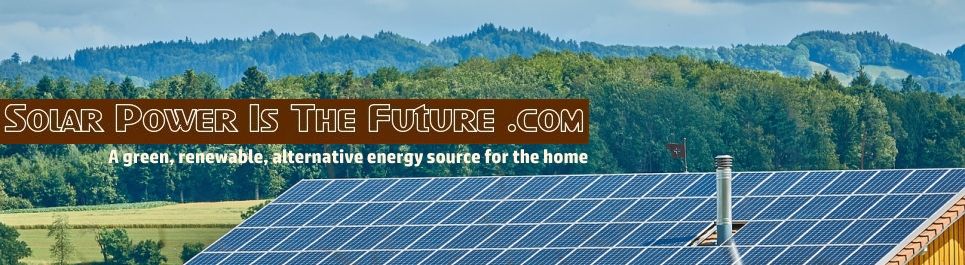
Installing solar panels to create electricity is also a viable solution for homeowners but the payback period is typically years long (5 - 20 years depending on the power requirements, location & climate). The approximate costs of producing solar energy on a small scale are as follows:
- Equipment - Solar panels
have come down significantly in price but can still potentially cost thousands, even tens of thousands, depending on your energy requirements.
- Installation - Experienced personnel are needed to install the system (get a free quote for solar in your area). Roof top installation or solar roof tiles add greatly to the cost.
- Maintenance - Since there are no moving parts, there are very few ongoing costs. But the panels must be kept clean so access must be easy and convenient.
- Replacement costs - Solar panels can last up to 25 to 30 years. However, if the system were to grow in the future then a new charge controller and inverter would be needed.
- Replacing appliances to conserve energy - To lower the cost of the initial system, energy requirements can be reduced by buying high-efficiency appliances. These units are expensive.
 have come down significantly in price but can still potentially cost thousands,
even tens of thousands, depending on your energy requirements.
have come down significantly in price but can still potentially cost thousands,
even tens of thousands, depending on your energy requirements.The costs of producing solar energy have come down dramatically over the years, but for many - if not most - homeowners, the cost of 'going solar' is still too prohibitive. Further technological advances are still needed to make solar power more efficient, more affordable, and widely available before it can gain better traction.