What Are Solar Panels Made Of?
Solar panels, also known as photovoltaic panels, take the power of the sun by emitting photons. Solar panels use solar cells to produce energy for a multitude of uses. So what are solar panels made of?
A solar panel consists of two materials sandwiched together, called a semiconductor. The materials are made out of millions of atoms, which produce both a negative and a positive charge. The material used to produce the positive/negative charged stimuli is silicon. Silicon is a widely available semi-metallic element. Silicon can come in three forms: mono-crystalline, polycrystalline, and amorphous silicon. The mono-crystalline is the more efficient of the three silicon base but more expensive too.
The silicon itself does not produce the energy until it comes into direct contact with the suns ray's - specifically, it must come into contact with the photon particles the sun emits. This is when all the magic takes place and energy is produced.
There are two types of solar energy panels: the flat plate collector, and the concentrating collector. Both have their own special purpose or function for providing energy.
Flat Plate Collectors
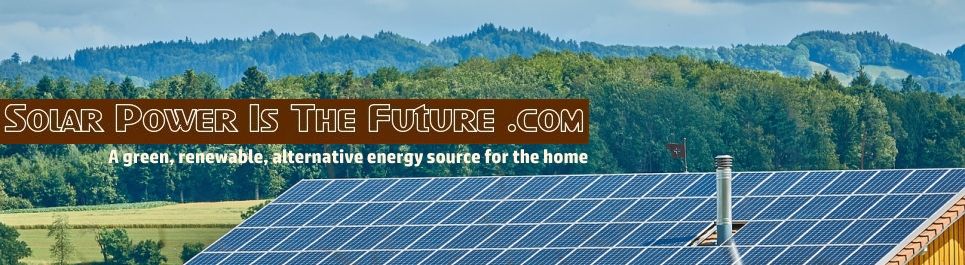
Flat plate collectors are just that - flat. Generally used in residential settings, and mounted on south-facing rooftops, these thin solar panels have a transparent cover that collects the sun's rays. The efficiency of the flat plate collector varies depending on a number of factors, including solar radiation and outside temperature. Their primary use is for water and space heating, but has also been used to power lighting in homes as well.
Concentrating Collectors
Concentrating collectors produce much larger volumes of solar power compared to the flat plate collectors. The energy produced can be used for air conditioning, central power generation, industrial heat requirements, and solar furnaces. Concentrating collector plates are curved mirrors with a reflective surface generally made out of aluminum or silver that cover the front or back surface. Concentrated solar energy is the cheapest way to generate the largest volume of electrical power by using the power of the sun.
Of course, what solar panels are made of is of less interest to most homeowners. Aside from cost, efficiency tends to be a big factor in determining whether or not to go with solar power, as efficiency also plays a role in cost: the lower the efficiency, the more panels you'll need to meet your power needs; and the more panels you need, the higher the cost. If you have the time, the inclination, and the talent, you can also build your own solar panel. These homemade panels can help alleviate costs.
As solar technology improves, so too does the efficiency of solar power. The more efficient solar power becomes for a residential home, the more receptive homeowners will become as costs come down. Most of us are eager to do our part for the environment; once mass-market affordability comes into play, interest in solar power is sure to increase.