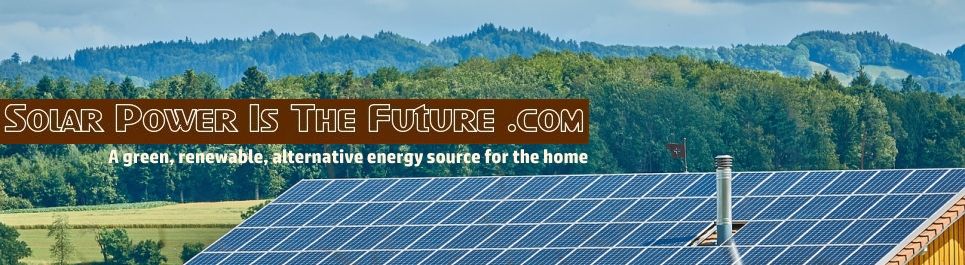
Retrofitting Solar Power in Residential Homes
Most existing homes and buildings are not designed to be powered by the sun. However, retrofitting solar power may be an option for some homeowners who are interested in harnessing the free energy of the sun. Before you start any installation, check to see how best to integrate solar power into your home or yard.
How Much Available Space Do You Have?
The amount of space needed for solar panels depends on how much energy you need. A good location for producing solar power should be easily accessible and have unobstructed access to sunlight. For established homes and yards, such a premium area may or may not be available.
The amount of open space will determine the maximum number of
solar panels


In most cases, roofs are the ideal location for solar panels as they are generally unhindered by trees and not easily damaged by children's toys and soccer balls. But even if the roof is a candidate, the pitch may not be ideal to align the panels directly with the sun. Solar panels work most efficiently when positioned perpendicular to the incoming sunlight. Unlike large solar power generating stations which automatically rotate panels to follow the sun, these aligning mechanisms are generally too costly for residential use.
An ideal roof pitch for stationary solar roof tiles depends on where you're located in relation to the equator and the time of year that you want to produce maximum power. It's worthwhile to take the time to figure out the correct angle for your solar panels in order to get the most efficiency out of them.
If your roof pitch is not ideal, then you can build a wood frame to correct the angle. This may be difficult and awkward on a roof but easier for a ground installation. Since you'll be enjoying solar power for years to come, ensure the supporting structure fits with the aesthetics of your yard and neighborhood.
How Much Power Do You Need?
The maximum available area of your roof or yard will limit the amount of solar energy produced. You'll need to know how much energy your household needs. If the available area isn't large enough produce adequate power from solar panels, then first try to implement some energy-conserving techniques such as newer energy-efficient appliances. If your energy needs still exceed this capacity, then your other option is to find more area for additional solar panels.
Required Equipment
You can power your equipment directly from the solar panels, as
long as it can use 12 V direct current (DC). DC electricity will be
produced only during daylight hours and whenever the skies are clear.
Use a charge controller
If you need uninterrupted power, then you'll also need a
battery bank
(find out about the possibility of reconditioning and using old batteries
here),
an inverter
Plan for the Future
It's best not to install more solar panels than needed. Additional panels will produce more electricity and charge the battery bank faster, but once the batteries are fully charged, the charge controller will electrically disconnect the load to ensure they will not be damaged from overcharging. The extra current will be wasted.
Use your system for a complete season to determine how it performs through the different seasons. Keep the panels clean of accumulated dust and debris to ensure it operates at peak power production. If your power needs grow, you'll still have the option - although potentially costly - of retrofitting solar power into the remaining space.